Local SEO for Small Business: The Best Ways to Improve Your Rankings in 2026
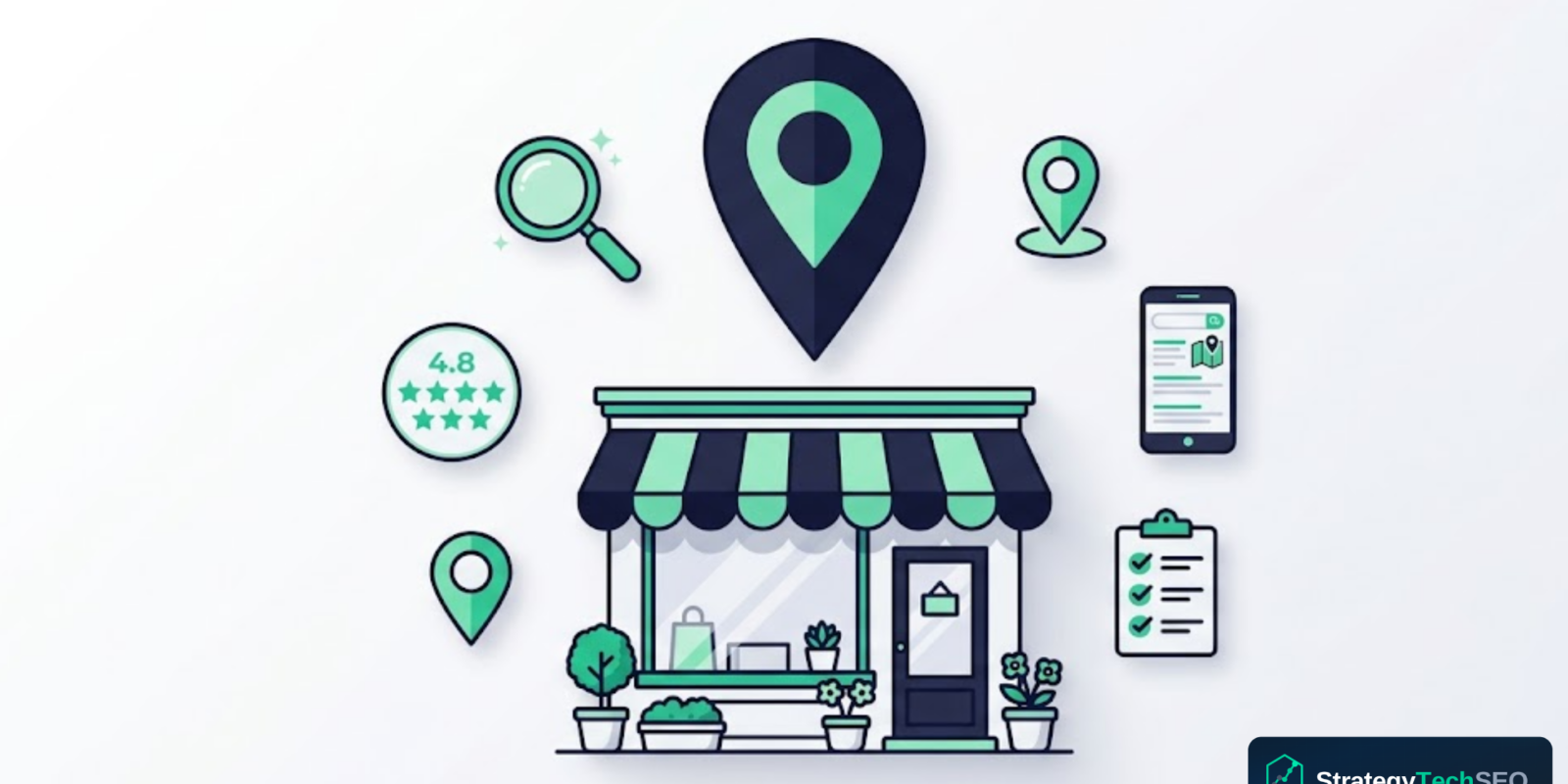
Whether you are just getting started or looking to sharpen your existing SEO strategy, this guide breaks down the most effective local SEO strategies into two clear areas: what you do on your website and what you build outside of it. Both work together, and getting them right means more visibility, more leads, and more growth for your business.
On-Site: Building a Foundation That Ranks
Your website is the one thing you fully control. Before doing anything off-site, make sure the foundation is solid. This is where most small businesses either gain an edge or quietly lose ground.
Start with Keywords, but Think About Search Intent
Not every keyword serves the same purpose. The key to a strong SEO strategy is matching your content to what searchers actually want.
Commercial and transactional intent keywords are those in which someone is ready to hire, buy, or request a quote. These should live on dedicated landing pages built for conversion. Think of these as your money pages, the ones designed to turn local customers into actual leads.
Informational intent keywords are aimed at resource content. Blog posts, FAQs, and knowledge-based pages that educate and build trust. These pages may not convert directly, but they funnel potential customers toward your services when they are ready to take action.
On-Page Optimization with Local Signals
Once your keyword strategy is in place, make sure those local keywords show up where they matter most on each page. Your target keyword should be visible in the URL, title tag, meta description, H1 tag, and within the first 10% of your content. This is disciplined on-page SEO that tells both Google and your readers exactly what the page is about and where you serve.
This is not about keyword stuffing. It is about clarity and relevance. When your local search rankings depend on Google quickly understanding your page, placement matters.
Content That Serves a Purpose
Whether it is a landing page or a resource page, the content needs to deliver real informative value. The goal is always one of two things: convert the visitor into a lead or guide them deeper into your site where that conversion happens.
A common misconception is that longer content automatically ranks better. That is not how it works. A focused, well-structured page that answers the question and drives action will outperform a long page with no clear direction. Quality and intent matter more than word count.
Technical Foundations
After your content is built out, make sure the technical side is clean. Each page should stand on its own as unique content with no duplication issues, proper canonical tags, and zero crawlability or indexability problems. These are critical ranking factors that are easy to overlook but can quietly hold your pages back from appearing in local search engine result pages (SERPs).
Schema markup is non-negotiable in 2026. Structured data helps both traditional search engines and AI-driven platforms understand what your page is about, what product or service you offer, and where you offer it. With AI Overviews and LLMs increasingly pulling structured information into search results, applying schema is one of the most impactful technical steps you can take.
Additional On-Site Moves That Add Up
These may seem small, but they build trust with both visitors and search engines:
- Embed your Google Map from your Google Business Profile. This reinforces the connection between your GBP listing and your website, which supports optimizing your Google Business Profile for local visibility.
- Add social media buttons so visitors can easily find and follow your business across platforms.
- Highlight reviews from top citation sites like Google Business Profile and Yelp. Positive reviews displayed on your site build credibility and social proof.
- Upload photos of your business, products, and team. Visual content builds trust and helps potential customers feel familiar with your business before they even walk through the door.
- Create portfolio and customer review pages. Real examples of your work and testimonials from actual clients go a long way in converting visitors into inquiries.
Off-Site: Building Presence Beyond Your Website
Even if your website is perfectly optimized, you still need to let the rest of the web know your business exists and is active. Whether your site is brand new or has been around for years, off-site signals tell search engines that your business is legitimate, established, and worth ranking.
Get Your Business Information Right Everywhere
Your business name, address, and phone number (NAP), along with your customer email address, website URL, and contact form, should be consistent and accurate across every platform. Inconsistency, even small differences, can quietly hurt your local search rankings. Search engines want to trust that your business information is reliable, and consistency is how you build that trust.
Engagement Matters More Than Just Being Listed
It is not enough to create profiles and walk away. You need activity. Post updates, respond to reviews, answer questions, and interact with your audience. A business that is actively present online is perceived as more trustworthy by both search engines and potential customers.
Reviews Are One of Your Strongest Signals
If you are not actively asking your clients for reviews, you are leaving one of the most powerful ranking factors on the table. Positive reviews on the right platforms tell search engines that real people trust your business. They also tell future customers the same thing. And when negative reviews come in, responding professionally shows you care about the customer experience. Make asking for reviews part of your process after every successful interaction.
Where to Focus Your Off-Site Energy
There are countless directories out there, but the smart move is to prioritize the platforms you can control and that carry the most weight:
- Google Business Profile — The most important local listing you will ever manage. Optimizing your Google Business Profile should be a top priority.
- Apple Business Connect / Apple Maps — Growing in relevance, especially for mobile users.
- Bing Places — Often overlooked, but still drives valuable search traffic.
- Facebook Business Page — A strong social signal with high engagement potential.
- Yelp — Still one of the top review platforms for local businesses.
Beyond these, look into niche-specific citation sites relevant to your industry. Depending on your field, you may also benefit from being listed with chambers of commerce and local business associations that carry authority in your area.
Bringing It All Together
Improving local SEO for a small business is not about a single quick fix. It is about building a solid foundation on your website with the right keywords, intentional on-page optimization, valuable content, and a clean technical setup, then supporting it with a consistent off-site presence that signals to search engines and local customers that your business is real, active, and trusted.
The businesses that approach local SEO this way are the ones that see real, lasting improvements in their local search results. Every step builds on the last one, and the results compound over time.
Ready to Improve Your Local SEO?
If you are a small business owner who wants to show up where it matters most — in front of local customers actively searching for your services — we would love to help you get there.
At StrategytechSEO, we focus on practical, results-driven local SEO strategies tailored to your business and your market. No fluff, no guesswork. Just a clear plan to grow your online presence and reach the customers who are already looking for you.
Let’s Talk About Your Business
StrategyTech SEO
StrategyTech SEO helps businesses grow organic visibility through technical audits, on-page optimization, and data-driven search strategies. We turn SEO from guesswork into measurable results.