On Page SEO Checklist in 2026: 15 Essentials That Still Matter
Every website needs an annual tune-up. An on page SEO checklist in 2026 is the best way to make sure the basics are still working for you, not against you. Search engines have changed a lot in the past year. AI overviews now sit above traditional search results. New features like AI Mode and generative search experiences continue to reshape how people interact with organic listings.
Yet the sites that hold steady through every algorithm shift are the ones that keep their on-page foundations tight. The fundamentals have not lost their power. What has changed is that the margin for error is smaller now. When competition for visibility increases, the pages with clean optimization win the tiebreakers.
Why Your Website Needs an Annual SEO Tune-Up
Click-through rate for the top organic spot dropped from 28% to 19%. AI overviews now dominate the space above traditional results. Competitors are publishing new content every day. Data goes stale. Links break. The pages that ranked well six months ago may have already slipped.
The sites that stay visible in 2026 are not chasing every new trend. They are making sure the fundamentals still work, page by page. This checklist gives you the 15 essentials to audit, fix, and improve across your most important pages.
1 Nail Your Title Tag
The title tag is one of the strongest on-page ranking factors you control. Keep it under 60 characters so search engines display it in full. Place your target keywords near the front. Make it clear what the specific page is about, and write it in a way that earns clicks.
A strong title tag tells both Google and readers exactly what to expect. Every page on your site should have a unique title tag. Using the same title across multiple pages confuses search engines and dilutes your visibility across different queries.
2 Write a Click-Worthy Meta Description
Your meta description is not a direct ranking factor, but it shapes your click-through rate. Google rewrites more than 60 percent of meta descriptions, but a well-written one still wins when it matches the query. Keep it between 150 and 160 characters. Include your primary keyword. Treat it like a short ad for your page content.
3 Use One Clear H1 Tag
Every page needs one H1 that states the main topic. Search engines use the H1 to confirm what the page is about. Make it align with the intent of the query and keep it distinct from your title tag, even if the topic is the same. This small distinction helps you cover more ground in search results.
4 Structure Your Headings in a Logical Order
Your H2s and H3s create a hierarchical map of your page content that communicates topical relationships to search engines. That architecture helps crawlers understand how your ideas connect and which subtopics support the main theme. It also helps readers scan and find what they need. Use headings to break up long sections and incorporate semantically relevant terminology where it fits naturally.
Title Tag
Under 60 characters. Keywords near the front. Unique per page. Written to earn clicks.
Meta Description
150–160 characters. Include primary keyword. Write it like a short ad for the page.
H1 Tag
One per page. States the main topic. Distinct from title tag but aligned with query intent.
Heading Hierarchy
H2s and H3s map your content logically. Helps crawlers and readers navigate the page.
5 Put Target Keywords in the First 10 Percent
Search engines pay close attention to the opening section of your page. Place your primary keyword in the first 10 percent of the text. This early positioning signals topical relevance immediately and establishes the contextual framework for everything that follows. Do not force it. Integrate the keyword into a sentence that reads naturally and contributes to the introductory narrative.
6 Optimize Your Images with Alt Text
Every image on your page should have descriptive alt text. Alt text helps search engines understand what the image shows, and it makes your page accessible to screen readers. Include your keyword in the alt text when it fits, but keep the description accurate.
Over 25 billion visual searches are conducted each month. Proper alt text helps your images appear in those results and drives additional organic traffic beyond traditional text-based search.
7 Build Strong Internal Links
Internal links are one of the most powerful free tools in your SEO strategy. They pass authority between pages, guide users to related content, and help search engines crawl your site. A study of 23 million internal links across 1,800 websites found a clear relationship between internal linking and organic traffic growth.
Aim for two to six relevant internal links per page. Use descriptive anchor text that tells readers what the linked page covers. Avoid generic phrases like “click here.” Make sure your internal links use proper HTML href attributes so crawlers can follow them without relying on JavaScript rendering.
| Internal Link Practice | Do This | Avoid This |
|---|---|---|
| Anchor Text | Descriptive, keyword-rich phrases | Generic “click here” or “read more” |
| Link Count | 2–6 relevant links per page | Excessive linking that dilutes value |
| Link Format | Proper HTML href attributes | JavaScript-only links crawlers cannot follow |
| Relevance | Link to topically related content | Random cross-linking with no context |
8 Write for People First
Page content that reads well for humans will perform well for search engines. Write in short sentences. Use common words. Break up long paragraphs. The goal is to make your user experience smooth from the first line to the last. Top-ranking pages tend to be easy to read, not because they are simple, but because they respect the reader’s time.
9 Match Search Intent
Before you write a single word, look at what already ranks for your target keywords. If the top results are how-to guides, write a how-to guide. If they are product comparisons, create a comparison. Search engines reward pages that deliver the type of content people expect. Mismatched intent is one of the fastest ways to waste your SEO efforts.
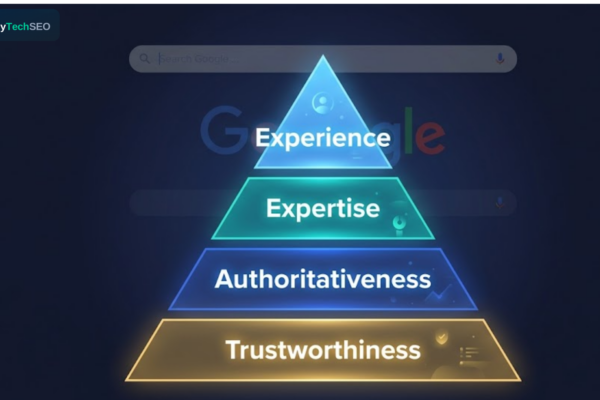
The Experience, Expertise, Authoritativeness, and Trustworthiness framework also plays a role here. Content that demonstrates real experience with the topic will consistently outperform generic summaries that lack depth or original perspective.
10 Improve Your Page Speed
Pages that rank well load fast. Core Web Vitals remain a confirmed ranking factor in 2026, and sites that pass all three metrics see 24% higher conversion rates. The three metrics that matter are Largest Contentful Paint, Interaction to Next Paint, and Cumulative Layout Shift.
Google also introduced a Visual Stability Index in early 2026 that measures layout stability across the full user session. Use Google Search Console and PageSpeed Insights to find slow elements. Compress images, remove unused code, and ensure your server responds quickly.
A one-second delay in mobile load time can cut conversions by 20 percent. Core Web Vitals are not just a ranking factor—they directly impact your bottom line.
| Core Web Vital | What It Measures | Good Threshold |
|---|---|---|
| Largest Contentful Paint (LCP) | Loading performance of the largest visible element | ≤ 2.5 seconds |
| Interaction to Next Paint (INP) | Responsiveness to user interactions | ≤ 200 milliseconds |
| Cumulative Layout Shift (CLS) | Visual stability during page load | ≤ 0.1 |
| Visual Stability Index (New 2026) | Layout stability across the full user session | Google-defined threshold |
11 Make Sure Your Page Is Mobile Ready
Mobile-first indexing means Google uses your mobile site to rank your pages. If your mobile version is slow, hard to read, or missing content, your rankings will drop regardless of how good the desktop version looks. Google now exclusively crawls and indexes the mobile version of your site, so any content that exists only on your desktop layout is effectively invisible to search engines.
Test every page on a phone. Check that buttons are easy to tap, text is readable without zooming, and nothing shifts around as the page loads.
12 Add Schema Markup and Structured Data
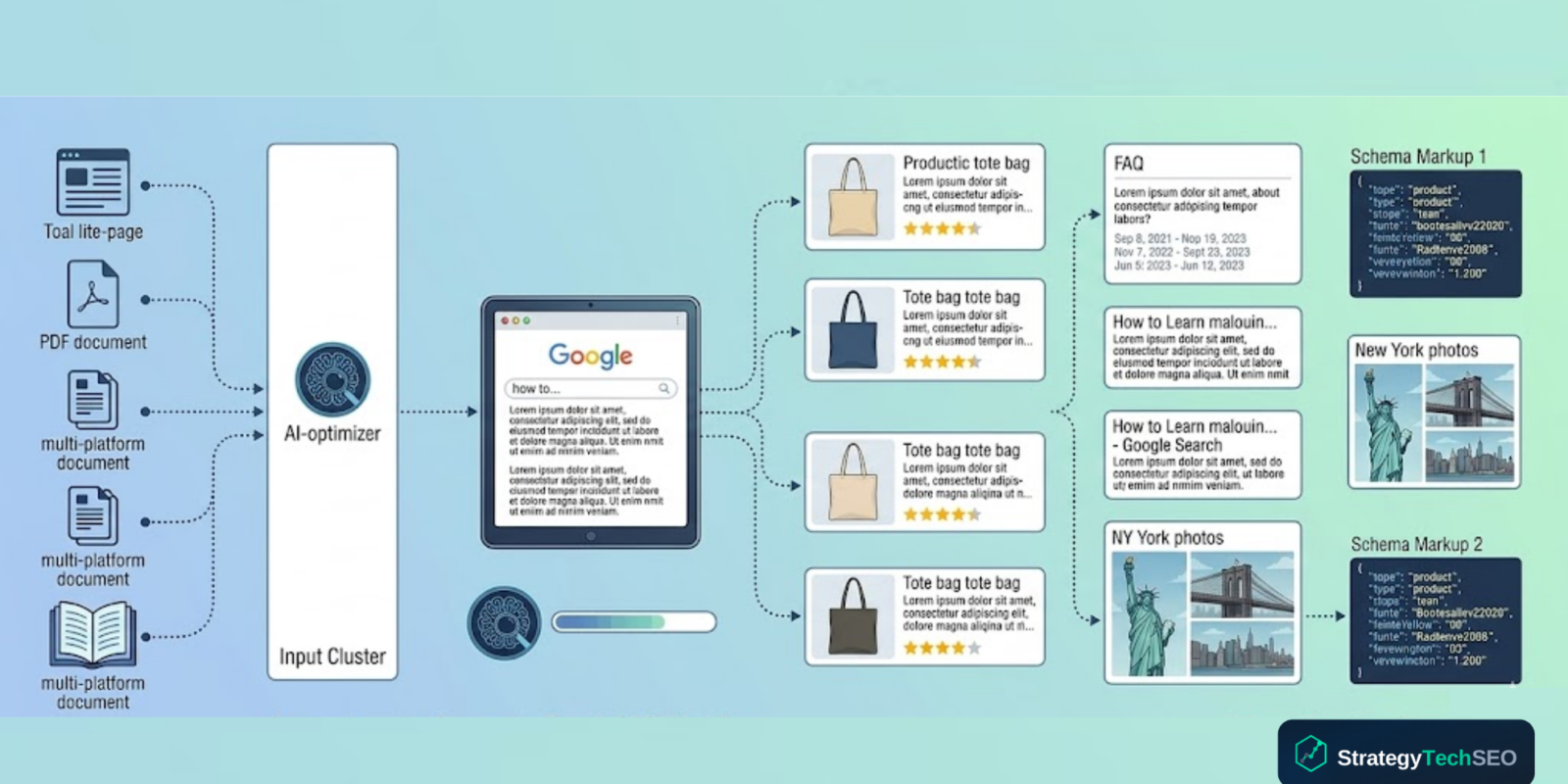
Schema markup and structured data help search engines better understand your page content. Use Article schema for blog posts, FAQ schema for question sections, and HowTo schema for step-by-step guides.
Structured data also plays a growing role in generative engine optimization, where AI-powered answer systems like Google AI Overviews and Bing Copilot use schema to evaluate and select sources for their responses.
Article Schema
Use for blog posts and news articles. Helps search engines identify author, publish date, and content type.
FAQ Schema
Use for question-and-answer sections. Can generate rich results with expandable Q&A directly in search.
HowTo Schema
Use for step-by-step guides. Structures your process content for rich result display and voice search.
Rich Results Impact
Rich results with structured data earn a 58% click-through rate compared to 41% for standard listings.
13 Optimize Your URL Structure
Keep your URLs short, readable, and descriptive. Include your primary keyword. Remove unnecessary numbers, dates, and filler words. A clean URL tells search engines and users what the specific page covers before they even click. Avoid changing URLs on pages that already rank well unless you have a strong reason and a well-planned redirect.
14 Use External Links to Trusted Sources
Linking to authoritative sources signals that your page content is well-researched and substantiated. It also provides readers with supplementary resources for further investigation. Use two to four external links per article, pointing to reputable publications and industry references that corroborate your claims. This practice builds credibility with both readers and search engines.
15 Review and Update Your Content Regularly
An on page SEO checklist is not a one-time task. Search results change. Competitors publish new content. Data goes stale. Set a schedule to review your top pages at least twice a year. Update stats, refresh examples, check that all links still work, and ensure your page continues to align with current search intent.
Pages that ranked well six months ago may have slipped because a competitor published something more comprehensive or because the dominant intent behind the query shifted. Regular reviews catch these changes before they cost you traffic.
Common On-Page Mistakes That Hurt Rankings
- Duplicate title tags across multiple pages. Using the same title tag on different pages confuses search engines and dilutes your visibility. Every page needs a unique, descriptive title.
- Ignoring meta descriptions entirely. While Google rewrites many of them, a well-crafted meta description still improves click-through rate when it matches the query.
- Stuffing keywords unnaturally into content. Forced keyword placement hurts readability and triggers search engine penalties. Write for people first, optimize second.
- Missing alt text on images. With over 25 billion visual searches per month, skipping alt text means missing a significant traffic channel.
- Neglecting page speed and Core Web Vitals. A one-second mobile delay cuts conversions by 20%. Slow pages lose both rankings and revenue.
- Never updating published content. Stale data, broken links, and outdated examples erode your authority. Review top pages at least twice a year.
Think of this on page SEO checklist as the maintenance schedule for your website. You would not skip an oil change and expect your car to run well forever. The same logic applies to your SEO strategy. The sites that stay visible in 2026 are not chasing every new trend. They are making sure the fundamentals still work, page by page. Open Google Search Console, pick your most important pages, and run through these 15 items. Fix what is broken. Improve what is weak. That is how steady SEO efforts compound into real growth over time.
Get Your On-Page SEO Dialed In
The margin for error in 2026 is smaller than ever. StrategyTech SEO audits your most important pages against all 15 on-page essentials, fixes what is broken, and builds an optimization strategy that keeps your site competitive through every algorithm shift.
Sources & References
- “On-Page SEO Checklist: The Complete Task List for 2026.”
- “9 Proven On-Page SEO Tactics for 2026.”
- “On-Page SEO in 2026: 11 Strategies and Complete Checklist.”
- “How Important Are Core Web Vitals for SEO in 2026.”
- “Core Web Vitals 2026: Technical SEO That Actually Moves the Needle.”
- “Google Click-Through Rates by Ranking Position in 2026.”
- “Using Structured Data for SEO in 2026.”
- “How to Optimize Title Tags and Meta Descriptions in 2026.”

StrategyTech SEO
StrategyTech SEO helps businesses grow organic visibility through technical audits, on-page optimization, and data-driven search strategies. We turn SEO from guesswork into measurable results.